
Developing fitness habits for a healthy lifestyle is one of the most effective ways to improve physical health, mental well-being, and overall quality of life. Good fitness habits are not about following extreme workout routines or restrictive diets; instead, they focus on making consistent, sustainable choices that support long-term health. Regular physical activity, balanced nutrition, proper sleep, hydration, and stress management work together to create a healthier and more energetic lifestyle.
Modern lifestyles often involve long hours of sitting, increased screen time, and limited physical activity, making it even more important to build healthy daily habits. Whether your goal is to lose weight, increase strength, improve cardiovascular health, or simply feel more energetic, adopting positive fitness habits can help you achieve lasting results. The key is consistency rather than perfection, as small improvements made every day can lead to significant long-term benefits.
Why Fitness Habits Matter for Overall Health
Healthy fitness habits provide benefits that extend far beyond physical appearance. Regular exercise and active living support heart health, strengthen muscles and bones, improve flexibility, and help maintain a healthy body weight. Fitness also contributes to mental wellness by reducing stress, improving mood, and boosting self-confidence through the release of natural chemicals known as endorphins.
Consistent healthy habits also reduce the risk of several chronic health conditions, including obesity, type 2 diabetes, cardiovascular disease, and high blood pressure. Instead of relying on short-term fitness challenges, creating daily routines helps individuals build lifelong habits that support overall wellness.
Benefits of healthy fitness habits include:
-
Improved physical strength and endurance.
-
Better heart and lung health.
-
Increased energy levels.
-
Enhanced mental well-being.
-
Improved sleep quality.
-
Reduced risk of chronic diseases.
Start with Realistic and Achievable Goals
Setting realistic fitness goals is the first step toward building lasting habits. Many people lose motivation because they choose goals that are too ambitious or expect immediate results. Instead, focusing on small, measurable improvements helps create consistency and long-term success.
Goals should match your current fitness level, lifestyle, and personal preferences. For example, beginning with a 20-minute walk several days a week can be more sustainable than committing to intense daily workouts. As confidence and fitness improve, goals can gradually become more challenging.
Tips for setting fitness goals:
-
Make goals specific and measurable.
-
Focus on gradual progress.
-
Track your achievements.
-
Celebrate small milestones.
-
Adjust goals as your fitness improves.
Make Regular Physical Activity a Daily Habit
Daily movement is one of the most important components of a healthy lifestyle. Physical activity does not always require a gym membership or specialized equipment. Walking, cycling, swimming, dancing, gardening, or climbing stairs all contribute to better fitness when performed consistently.
Health experts recommend combining aerobic exercise with muscle-strengthening activities throughout the week. Aerobic exercises improve cardiovascular fitness, while strength training helps maintain muscle mass, bone health, and overall functional ability.
Examples of daily physical activities include:
-
Brisk walking.
-
Jogging or running.
-
Cycling.
-
Swimming.
-
Home workouts.
-
Strength training exercises.
Consistency matters more than workout intensity, especially when developing lifelong habits.
Prioritize Strength Training
Strength training is an essential part of a balanced fitness routine because it helps build muscle, improve metabolism, and maintain bone density. Contrary to common misconceptions, strength training benefits people of all ages and is not limited to athletes or bodybuilders.
Regular resistance exercises improve posture, support joint health, and make everyday activities easier. Beginners can start with bodyweight exercises before gradually incorporating resistance bands or weights as they gain strength.
Benefits of strength training include:
-
Increased muscle strength.
-
Improved bone health.
-
Better balance and stability.
-
Enhanced metabolism.
-
Reduced risk of injury.
Including strength exercises two or more times each week supports long-term physical health.
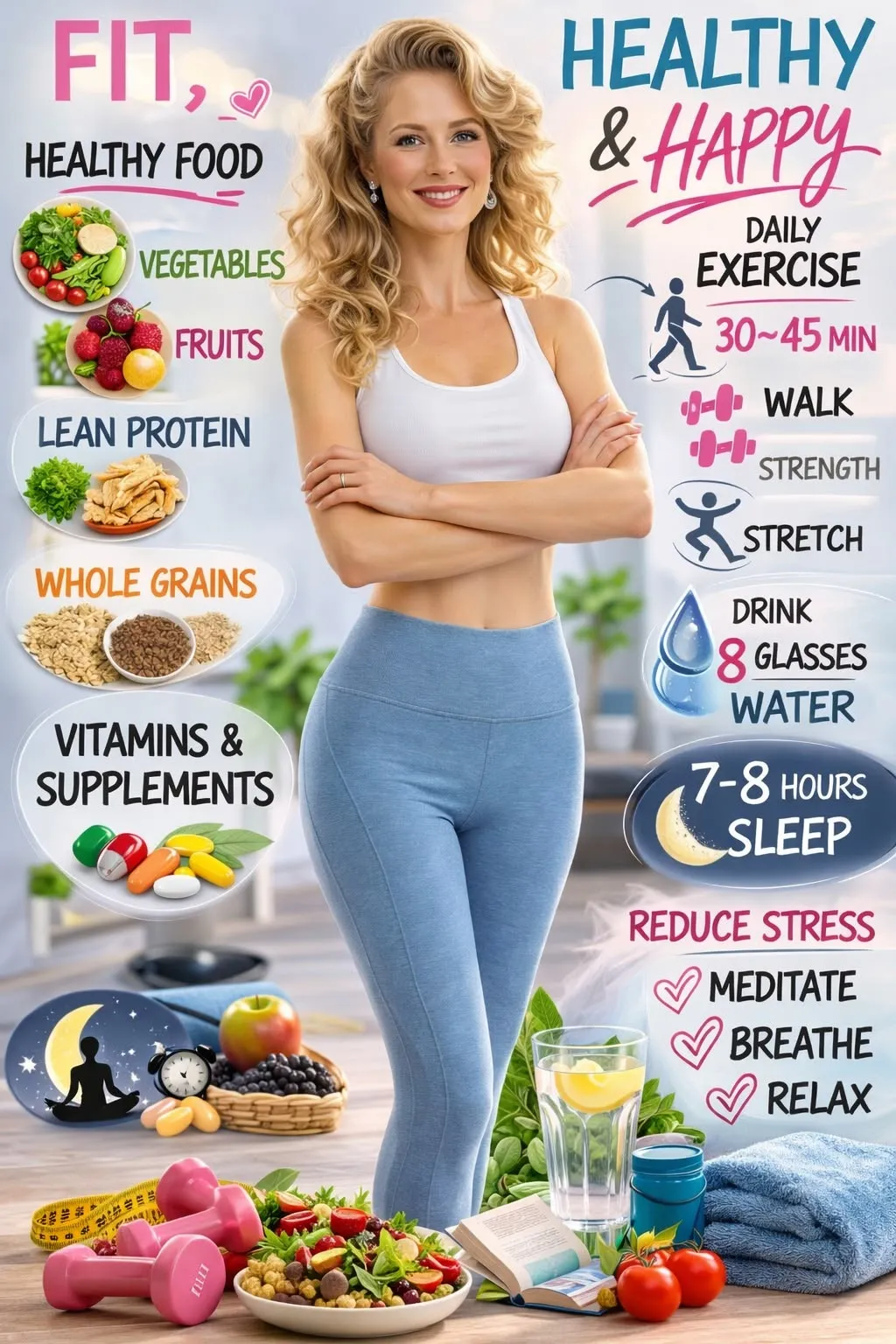
Eat a Balanced and Nutritious Diet
Nutrition plays a vital role in supporting fitness goals and overall health. A balanced diet provides the energy needed for physical activity while supplying essential nutrients for muscle recovery, immune function, and overall well-being. Instead of following restrictive diets, focus on consuming a variety of nutrient-rich foods from different food groups.
Whole grains, lean proteins, fruits, vegetables, healthy fats, and dairy or fortified alternatives all contribute to a balanced eating pattern. Portion control and mindful eating also help maintain a healthy weight and improve digestion.
Healthy eating habits include:
-
Eating more fruits and vegetables.
-
Choosing whole grains.
-
Including lean protein sources.
-
Limiting highly processed foods.
-
Practicing portion control.
-
Eating regular meals.
Stay Hydrated Throughout the Day
Water is essential for nearly every function in the body, including regulating temperature, transporting nutrients, supporting digestion, and maintaining physical performance. Even mild dehydration can affect energy levels, concentration, and exercise performance.
Hydration needs vary depending on age, activity level, climate, and overall health. Drinking water regularly throughout the day and increasing fluid intake during exercise helps maintain proper hydration.
Benefits of staying hydrated include:
-
Improved physical performance.
-
Better concentration.
-
Healthy digestion.
-
Temperature regulation.
-
Reduced fatigue.
-
Support for overall body functions.
Keeping a reusable water bottle nearby can encourage consistent hydration.
Get Enough Quality Sleep
Sleep is often overlooked in fitness routines, but it is one of the most important aspects of recovery and overall health. During sleep, the body repairs muscles, regulates hormones, strengthens the immune system, and supports brain function.
Adults generally benefit from getting sufficient quality sleep each night, although individual needs may vary. Poor sleep can reduce exercise performance, increase stress, and make healthy eating habits more difficult to maintain.
Healthy sleep habits include:
-
Following a regular sleep schedule.
-
Limiting screen time before bed.
-
Creating a comfortable sleeping environment.
-
Avoiding excessive caffeine late in the day.
-
Practicing relaxation techniques.
Good sleep supports both physical and mental fitness.
Manage Stress Effectively
Chronic stress can negatively affect both physical and mental health. High stress levels may influence eating habits, sleep quality, motivation, and overall fitness progress. Learning healthy stress management techniques helps maintain emotional balance and supports long-term wellness.
Physical activity itself is an effective way to reduce stress. In addition, practices such as meditation, deep breathing, yoga, and spending time in nature can promote relaxation and improve emotional well-being.
Healthy stress management techniques include:
-
Regular exercise.
-
Mindfulness meditation.
-
Deep breathing exercises.
-
Spending time outdoors.
-
Maintaining social connections.
-
Practicing hobbies.
Managing stress contributes to better overall health and greater consistency in fitness routines.
Stay Consistent and Track Your Progress
Building healthy habits requires patience and consistency. Fitness improvements rarely happen overnight, but regular effort leads to gradual progress over time. Tracking workouts, nutrition, body measurements, or personal achievements helps maintain motivation and identify areas for improvement.
Progress should be measured using multiple indicators rather than body weight alone. Increased strength, better endurance, improved mood, and higher energy levels are all valuable signs of success.
Ways to track progress include:
-
Keeping a fitness journal.
-
Using a mobile fitness app.
-
Recording workout performance.
-
Monitoring healthy habits.
-
Celebrating personal achievements.
Consistency is the foundation of lasting lifestyle change.
Common Fitness Mistakes to Avoid
Many people unintentionally slow their progress by making avoidable mistakes. Overtraining, skipping warm-ups, neglecting recovery, following unrealistic diets, or comparing themselves to others can reduce motivation and increase injury risk.
Building a sustainable routine involves balancing exercise, nutrition, rest, and recovery while recognizing that everyone’s fitness journey is different.
Common mistakes include:
-
Setting unrealistic expectations.
-
Exercising without proper technique.
-
Ignoring recovery days.
-
Following fad diets.
-
Inconsistent workout routines.
-
Neglecting hydration and sleep.
Learning from these mistakes helps create healthier long-term habits.
Building Fitness Habits That Last
Long-term success comes from creating habits that fit naturally into your daily routine. Instead of relying on motivation alone, develop systems that make healthy choices easier. Scheduling workouts, preparing healthy meals in advance, finding enjoyable activities, and exercising with friends can improve consistency.
Healthy habits become easier over time as they become part of everyday life. Flexibility is also important, as occasional setbacks should not discourage continued progress. The focus should remain on building a balanced lifestyle rather than achieving perfection.
Strategies for maintaining healthy habits include:
-
Plan workouts in advance.
-
Choose enjoyable physical activities.
-
Prepare healthy meals.
-
Stay accountable to your goals.
-
Focus on long-term consistency.
-
Adapt your routine when needed.
Conclusion
Developing fitness habits for a healthy lifestyle is one of the best investments you can make for your physical, mental, and emotional well-being. Small, consistent actions—such as regular exercise, balanced nutrition, proper hydration, quality sleep, and effective stress management—can produce lasting health benefits over time.
Rather than seeking quick fixes or temporary results, focus on building sustainable routines that support your personal goals and lifestyle. By staying consistent, tracking progress, and making gradual improvements, you can create lifelong fitness habits that lead to better health, increased energy, and an improved quality of life.