
Influencer marketing has become one of the most effective digital marketing strategies in today’s online world. With millions of people spending significant time on social media platforms, brands are using influencers to connect with potential customers in a more personal and authentic way.
Unlike traditional advertisements that directly promote products through paid campaigns, influencer marketing focuses on building trust through individuals who already have a strong relationship with their audience. Influencers share their experiences, opinions, and recommendations, which can influence the buying decisions of their followers.
The success of influencer marketing depends on credibility, audience connection, and valuable content. When brands collaborate with the right influencers, they can increase brand awareness, attract new customers, improve engagement, and build long-term relationships with their target audience.
Understanding how influencer marketing works helps businesses create better campaigns and use social media more effectively to achieve their marketing goals.
What Is Influencer Marketing?
Influencer marketing is a digital marketing strategy where businesses collaborate with individuals who have influence over a specific group of people. These individuals create and share content that promotes a brand, product, or service to their followers.
An influencer can be a social media creator, industry expert, blogger, professional, or public personality who has built trust and credibility within a particular area.
Instead of brands directly telling customers why they should buy a product, influencers present products through their own experiences. They may share reviews, demonstrations, tutorials, personal stories, or recommendations that feel more natural and relatable.
For example, a fitness company may collaborate with a fitness creator to showcase workout products, while a technology brand may work with a tech reviewer to explain the features of a new device.
The main purpose of influencer marketing is to use the trust between influencers and their followers to create stronger connections between brands and customers.
Why Influencer Marketing Has Become Popular
The rise of influencer marketing is connected to the changing way people discover information and make purchasing decisions. Today, many consumers research products online, watch reviews, and look for recommendations before spending money.
Traditional advertisements often provide limited interaction, while influencer content creates a more personal connection. Followers usually feel connected to influencers because they regularly watch their content and understand their opinions.
Influencer marketing has become popular because it combines the reach of digital advertising with the trust of personal recommendations.
Businesses can reach specific audiences, create engaging content, and communicate with customers in a more authentic way.
How Influencer Marketing Works Step by Step
Influencer marketing involves several stages, starting from identifying campaign goals and ending with measuring results. Each step plays an important role in creating a successful marketing campaign.
Step 1: Defining Marketing Goals
Before starting an influencer campaign, brands need to clearly understand what they want to achieve.
Different businesses have different objectives. Some brands may want to introduce a new product, while others may focus on increasing sales, improving brand recognition, or reaching a new audience.
Having clear goals helps companies choose suitable influencers and create content that supports their overall marketing strategy.
For example, a new business may focus on increasing awareness among potential customers, while an established brand may use influencer marketing to improve customer loyalty.
A clear objective provides direction and makes it easier to measure campaign success.
Step 2: Finding the Right Influencer
Choosing the right influencer is one of the most important parts of influencer marketing. A successful campaign depends on finding someone whose audience matches the brand’s target customers.
Brands should not select influencers only based on the number of followers they have. A smaller influencer with an engaged audience can sometimes produce better results than a creator with millions of followers but limited audience connection.
The ideal influencer should have relevant content, genuine engagement, a positive reputation, and values that match the brand.
For example, a skincare brand will usually achieve better results by working with a skincare expert rather than a general entertainment influencer.
The right influencer helps create a natural connection between the brand and potential customers.
Understanding Different Types of Influencers
Influencers are commonly divided into different categories based on their audience size and reach. Each type offers different advantages depending on a brand’s goals.
Mega Influencers
Mega influencers usually have extremely large audiences and often include celebrities or globally recognized personalities.
They can provide massive exposure and help brands reach millions of people. However, their relationship with followers may not always feel as personal because of their large audience size.
Macro Influencers
Macro influencers have a large following and usually create content around specific topics such as fashion, technology, fitness, travel, or lifestyle.
They offer a balance between wide reach and audience engagement, making them suitable for many brand campaigns.
Micro Influencers
Micro influencers have smaller but highly engaged communities. Their followers often trust their recommendations because the relationship feels more personal.
They are especially useful for niche marketing because they can connect with specific groups of interested customers.
Nano Influencers
Nano influencers have smaller audiences but often maintain very close relationships with their followers.
They are effective for local businesses and specialized campaigns where trust and personal interaction are important.
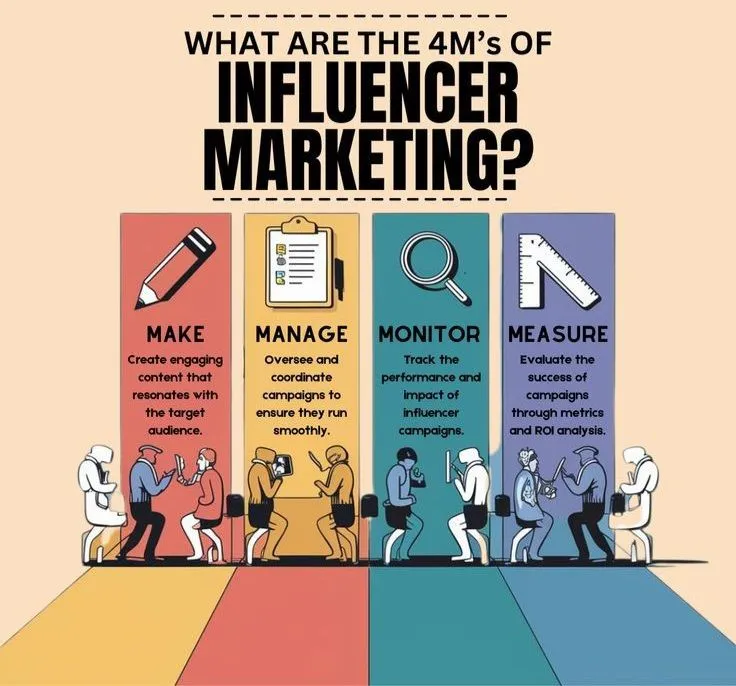
Step 3: Creating Influencer Marketing Content
After selecting an influencer, brands work with creators to develop campaign content.
Successful influencer marketing depends on authenticity. Audiences usually respond better when influencers present products naturally instead of making content that feels like a traditional advertisement.
Influencers use their creativity and understanding of their audience to develop content that matches their usual style.
Common content formats include product reviews, demonstration videos, educational content, social media stories, live sessions, and lifestyle-based posts.
The purpose is to introduce the product while providing useful or entertaining information to followers.
Step 4: Influencer Promotion and Audience Interaction
Once the content is created, influencers share it with their audience through their social media channels.
The influencer’s responsibility is not only to promote the product but also to encourage interaction. Followers may comment, ask questions, share opinions, or discuss their experiences.
This interaction creates a connection between the brand and consumers.
Unlike traditional advertising, influencer marketing allows two-way communication, where customers can directly engage with both influencers and brands.
Step 5: Measuring Influencer Marketing Performance
After completing a campaign, brands need to analyze its performance to understand its effectiveness.
Measuring results helps companies identify what worked well and what improvements are needed for future campaigns.
Important performance factors include audience reach, engagement, website visits, customer responses, brand mentions, and sales results.
Analyzing these results allows businesses to make better decisions and improve their influencer marketing strategies.
Benefits of Influencer Marketing for Businesses
Builds Consumer Trust
One of the biggest advantages of influencer marketing is the ability to build trust. People often value recommendations from influencers they follow because they feel familiar with their opinions and experiences.
A genuine recommendation can create stronger customer confidence compared to traditional promotional messages.
Helps Reach Specific Audiences
Influencers usually create content for specific communities. This allows brands to reach audiences who are already interested in particular topics.
For example, a fitness influencer can help a health brand connect with people interested in exercise and wellness.
Increases Brand Awareness
Influencers introduce brands to new audiences and help increase visibility. A single successful campaign can expose a product to thousands or millions of potential customers.
Creates Engaging Content
Influencers understand how to create content that attracts attention. Their creativity helps brands present products in interesting and relatable ways.
Supports Customer Buying Decisions
Many consumers use reviews and recommendations when deciding whether to purchase a product. Influencer content can provide additional confidence by showing real experiences.
Challenges of Influencer Marketing
Although influencer marketing provides many benefits, businesses also face certain challenges.
Choosing an unsuitable influencer can reduce campaign effectiveness. If the influencer’s audience does not match the brand’s target customers, the results may be limited.
Maintaining authenticity is another challenge. Audiences may lose trust if influencers promote too many unrelated products or create content that appears forced.
Brands also need to ensure transparency and clearly communicate sponsored partnerships to maintain customer trust.
Successful influencer marketing requires careful planning, research, and strong collaboration between brands and creators.
How Brands Can Create Successful Influencer Marketing Strategies
A successful influencer marketing strategy requires a focus on relationships rather than only short-term promotions.
Brands should research their target audience, select influencers carefully, and allow creators enough freedom to produce authentic content.
Long-term partnerships with influencers often create stronger results because audiences become more familiar with the brand over time.
Businesses should also regularly analyze campaign performance and adjust their strategies based on customer responses.
The most effective campaigns provide value to everyone involved: brands gain visibility, influencers create meaningful content, and audiences receive useful information.
Future of Influencer Marketing
Influencer marketing continues to grow as social media platforms and consumer habits change.
Future trends are expected to focus more on authenticity, smaller niche communities, short-form content, and long-term partnerships between brands and creators.
Companies are increasingly paying attention to audience engagement and trust rather than focusing only on follower numbers.
As consumers continue searching for genuine recommendations and relatable experiences, influencer marketing will remain an important part of modern digital marketing strategies.
Conclusion
Influencer marketing works by connecting brands with consumers through trusted individuals who have built strong relationships with their audiences. It combines creativity, authenticity, and digital communication to create meaningful brand experiences.
A successful influencer marketing campaign requires clear goals, careful influencer selection, valuable content creation, audience interaction, and performance analysis.
When used correctly, influencer marketing can help businesses increase awareness, build customer trust, and create long-term relationships. As the digital world continues to evolve, influencer marketing will remain a powerful tool for businesses looking to connect with modern consumers.