
A savings account provides a secure place to hold money intended for future needs rather than daily spending. It differs from a checking account by emphasizing growth through interest while still allowing reasonable access to funds. Understanding how these accounts function, the protections they offer, and the key features to evaluate helps individuals choose an option that supports their financial goals effectively.
What a Savings Account Is and How It Functions
A savings account is a deposit account offered by banks and credit unions. When money is placed into the account, the institution can use those deposits as part of its lending activities. In return, the account holder receives interest on the balance. The funds remain the property of the depositor and can be withdrawn when needed, subject to the account’s terms.
Interest is typically expressed as an annual percentage yield, or APY. This figure reflects the effective yearly return, including the effect of compounding. Compounding means that interest is added to the principal periodically—often daily or monthly—so future interest calculations include previous earnings. Even modest rates produce growth over time when balances remain steady and contributions continue.
Unlike investments that can fluctuate in value, the principal in a standard savings account does not decrease due to market changes. This stability makes savings accounts suitable for emergency funds, short-term goals, or money that may be needed within a few years.
Safety Through Deposit Insurance
In the United States, deposits at most banks are protected by the Federal Deposit Insurance Corporation. Coverage generally extends to $250,000 per depositor, per insured bank, for each ownership category. This protection includes both the principal and any accrued interest up to the limit. Credit union deposits receive similar protection through the National Credit Union Administration.
Insurance provides confidence that funds remain safe even if the institution experiences financial difficulty. It is important to confirm that a chosen bank or credit union carries this federal insurance and to understand how ownership categories affect total coverage when multiple accounts exist at the same institution.
Types of Savings Accounts
Traditional savings accounts are widely available at branch-based banks. They usually offer lower interest rates and may include basic access features such as ATM withdrawals or in-person transactions.
High-yield savings accounts, often provided by online banks, typically pay noticeably higher rates. These accounts generally operate with lower overhead costs, allowing institutions to pass on more competitive yields. Access usually occurs through electronic transfers, mobile apps, and sometimes ATM networks.
Money market accounts share many characteristics with savings accounts and also earn interest. Some versions permit limited check-writing or debit card access while still maintaining the goal of preserving and growing funds. Minimum balance requirements can be higher than those of basic savings accounts.
Certificates of deposit represent a related but distinct product. They generally require locking funds for a set term in exchange for a fixed rate and may impose penalties for early withdrawal. They suit money that will not be needed until a specific future date.
Interest Rates and Growth Potential
Rates on savings accounts are variable in most cases and respond to broader economic conditions, including central bank policy. High-yield options can offer rates several times higher than the national average for traditional accounts. Because rates change, comparing current APYs across institutions remains useful before opening an account and periodically afterward.
Growth depends on the rate, the balance maintained, the frequency of compounding, and additional deposits. Consistent contributions amplify results through compounding. Even small regular additions create meaningful accumulation over months and years.
Access, Limits, and Fees
Savings accounts prioritize accumulation over frequent transactions. Many institutions limit the number of convenient withdrawals or transfers per month. Exceeding those limits may trigger fees or conversion of the account. Electronic transfers to a linked checking account usually provide the primary method for moving money when needed.
Fees vary widely. Some accounts charge monthly maintenance fees that can be waived by meeting minimum balance or activity requirements. Others have no monthly fees. Additional charges may apply for paper statements, excessive transactions, or outgoing wires. Reviewing the fee schedule before opening an account prevents unexpected costs that reduce net earnings.
Minimum opening deposits and ongoing balance requirements also differ. Many online high-yield accounts have low or no minimums, while certain traditional or money market accounts set higher thresholds.
Practical Considerations Before Opening an Account
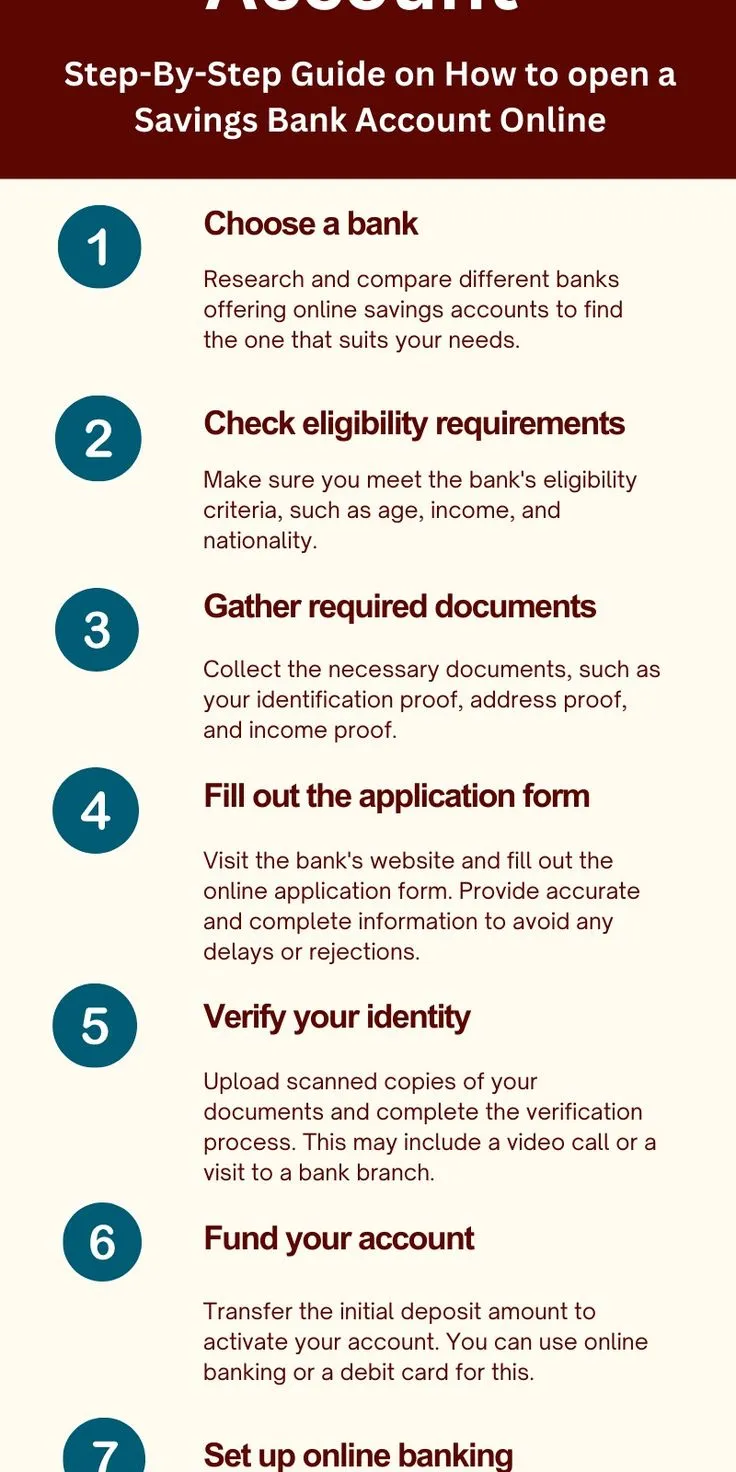
Clarify the purpose of the funds. Emergency reserves benefit from high liquidity and safety. Short-term goals such as a planned purchase within one to three years also suit savings accounts. Money intended for longer horizons may eventually move toward other vehicles once an emergency cushion exists.
Compare APYs, fee structures, minimum requirements, and digital tools. Ease of transferring money between accounts, mobile deposit capabilities, and customer service quality affect day-to-day usability. Confirm federal deposit insurance coverage.
Automation supports consistency. Setting up regular transfers from a checking account builds balances without requiring repeated manual decisions. Separating savings from daily spending money reduces the temptation to dip into reserves unnecessarily.
Monitor the account periodically. Rate changes, fee adjustments, or shifts in personal needs may warrant moving funds to a more suitable option. Keeping records of contributions and interest earned provides a clear view of progress.
Building a Foundation for Financial Security
Savings accounts offer a straightforward combination of safety, modest growth, and accessibility. They work by allowing institutions to use deposited funds productively while compensating account holders with interest and protecting principal through federal insurance. Choosing an account involves weighing yield, costs, convenience, and coverage limits against personal goals.
When selected thoughtfully and funded consistently, a savings account becomes a reliable tool for handling unexpected expenses and reaching near-term objectives. It forms a practical first step in organizing finances and creating a buffer that supports greater stability over time. Understanding these mechanics before opening an account enables clearer decisions and more effective use of this fundamental financial product.
Read more – wasatchglobal.com