
Belly fat is one of the most common health concerns among people of all ages. While a small amount of abdominal fat is normal and helps protect internal organs, excessive belly fat can increase the risk of serious health conditions such as heart disease, type 2 diabetes, high blood pressure, and metabolic disorders. Many people look for quick solutions and fad diets to reduce abdominal fat, but sustainable weight loss requires long-term lifestyle changes rather than temporary fixes.
Losing belly fat naturally involves improving eating habits, increasing physical activity, managing stress, and maintaining healthy daily routines. Although spot reduction is not scientifically possible, reducing overall body fat through healthy practices can significantly decrease fat around the abdomen. By adopting the right strategies and remaining consistent, it is possible to achieve a healthier body composition and improve overall well-being.
Understanding the Different Types of Belly Fat and Why They Matter
Not all belly fat is the same. The body stores fat in two main forms around the abdominal area. Subcutaneous fat lies just beneath the skin and is the type that can be pinched with your fingers. Visceral fat, on the other hand, surrounds internal organs and is considered more dangerous because it is linked to various health problems.
Excess visceral fat can interfere with hormone function and increase the risk of chronic diseases. Understanding the different types of belly fat highlights the importance of maintaining a healthy lifestyle rather than focusing solely on appearance. Reducing overall body fat contributes to both improved health and increased confidence.
Creating a Healthy Calorie Deficit Without Starving Yourself
One of the most effective ways to lose belly fat naturally is by creating a moderate calorie deficit. This means consuming slightly fewer calories than the body burns each day while still providing essential nutrients. Extremely restrictive diets may lead to temporary weight loss, but they are often difficult to maintain and can negatively affect metabolism and energy levels.
A balanced approach that focuses on nutritious foods and portion control is generally more effective for long-term success. Paying attention to serving sizes and avoiding excessive snacking can help reduce calorie intake without causing feelings of deprivation. Sustainable weight loss is usually achieved through gradual and consistent changes rather than drastic measures.
Eating More Protein to Support Weight Loss and Reduce Appetite
Protein plays an important role in weight management and fat loss. Consuming adequate protein helps increase feelings of fullness, reduces hunger, and supports the maintenance of muscle mass during weight loss. High-protein foods also require more energy for digestion, which can slightly increase calorie expenditure.
Including protein-rich foods such as eggs, fish, lean meats, legumes, dairy products, and nuts in daily meals can make it easier to control appetite and reduce unnecessary calorie consumption. A balanced intake of protein throughout the day can contribute significantly to reducing overall body fat and improving body composition.
Increasing Fiber Intake to Improve Digestion and Control Hunger
Dietary fiber is another important nutrient that can help with natural belly fat loss. Soluble fiber, in particular, slows digestion and promotes feelings of fullness, which may reduce overall calorie intake. High-fiber foods also support digestive health and help regulate blood sugar levels.
Foods such as fruits, vegetables, whole grains, legumes, and seeds provide valuable amounts of fiber and essential nutrients. Replacing highly processed foods with fiber-rich alternatives can improve satiety and encourage healthier eating patterns that support long-term weight management.
Reducing Added Sugar and Highly Processed Foods
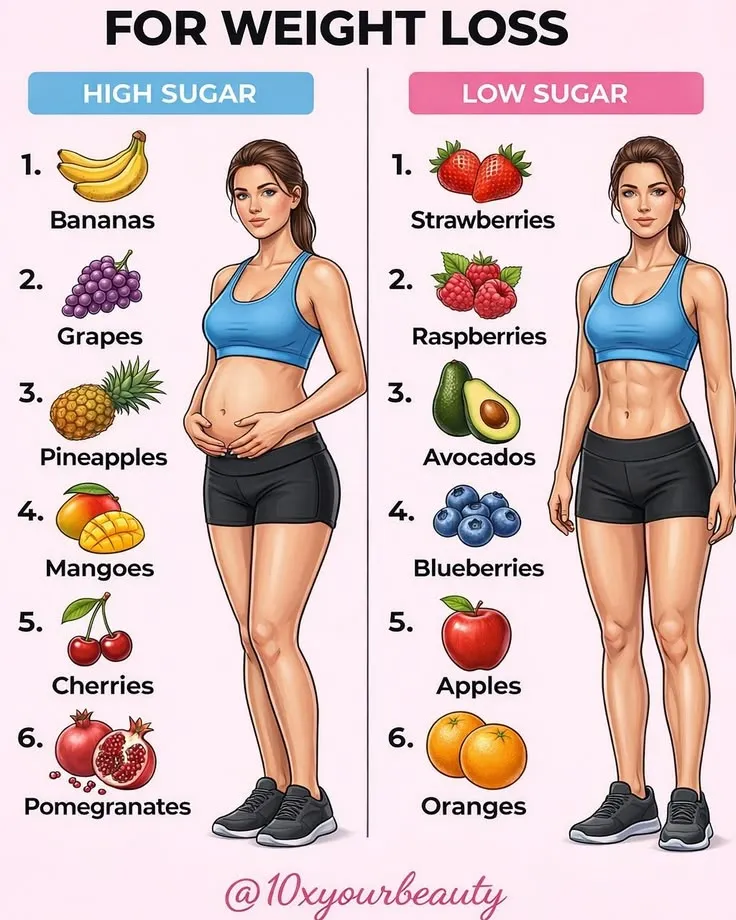
Excessive consumption of added sugar and highly processed foods has been associated with weight gain and increased abdominal fat. Sugary beverages, desserts, and packaged snacks often contain high amounts of calories with little nutritional value. Frequent consumption of these foods can lead to overeating and make it difficult to maintain a healthy weight.
Choosing whole, minimally processed foods instead of heavily processed products can improve nutritional intake and support fat loss efforts. Reducing sugary drinks and replacing them with water or other low-calorie beverages is one of the simplest ways to decrease daily calorie consumption and improve overall health.
Engaging in Regular Physical Activity for Better Fat Loss
Exercise plays a vital role in reducing overall body fat and improving physical fitness. Both aerobic exercise and strength training have been shown to support healthy weight loss and improve body composition. Activities such as walking, jogging, cycling, swimming, and dancing can help burn calories and improve cardiovascular health.
Strength training is equally important because it helps preserve and build muscle mass, which can increase the body’s resting metabolic rate. Combining different forms of exercise creates a balanced fitness routine that promotes fat loss while improving strength, endurance, and overall well-being.
Prioritizing Quality Sleep for Healthy Weight Management
Sleep is often overlooked when discussing weight loss, yet it plays a significant role in regulating hormones that control hunger and appetite. Inadequate sleep can increase cravings for high-calorie foods and make it more difficult to maintain healthy eating habits.
Adults who consistently get enough quality sleep often have better control over their appetite and are more likely to make healthier lifestyle choices. Establishing a regular sleep schedule and creating good sleep habits can contribute positively to weight management and support efforts to reduce belly fat naturally.
Managing Stress to Prevent Weight Gain Around the Abdomen
Chronic stress can influence body weight and contribute to increased fat storage around the abdominal area. Stress triggers the release of hormones that may increase appetite and encourage emotional eating. Many individuals turn to comfort foods during stressful periods, which can lead to excess calorie intake.
Practicing stress-management techniques such as meditation, deep breathing exercises, yoga, or spending time in nature can help improve emotional well-being and support healthy weight management. Learning to manage stress effectively is an important part of maintaining a healthy lifestyle and preventing unwanted weight gain.
Staying Hydrated and Supporting Your Body’s Natural Functions
Proper hydration is essential for overall health and can indirectly support weight loss efforts. Drinking sufficient water helps maintain normal bodily functions, supports digestion, and may contribute to feelings of fullness before meals.
Sometimes thirst can be mistaken for hunger, leading to unnecessary snacking and increased calorie consumption. Making water the primary beverage choice and staying properly hydrated throughout the day can support healthy habits that contribute to natural fat loss.
Building Consistent Habits for Long-Term Success
Losing belly fat naturally is not about following temporary diets or seeking overnight results. Successful weight management depends on creating healthy habits that can be maintained over the long term. Small and consistent changes in eating patterns, physical activity, sleep, and stress management often produce better outcomes than extreme approaches.
Tracking progress through measurements, fitness improvements, or energy levels rather than focusing solely on the scale can provide motivation and encourage long-term commitment. Sustainable lifestyle changes are the foundation of healthy weight loss and overall well-being.
Conclusion
Reducing belly fat naturally requires patience, consistency, and a commitment to healthier lifestyle choices. There is no single food, exercise, or supplement that can specifically target abdominal fat. Instead, a combination of balanced nutrition, regular physical activity, adequate sleep, stress management, and proper hydration can help reduce overall body fat and improve health.
By focusing on sustainable habits rather than quick fixes, individuals can achieve long-term weight management and lower their risk of chronic diseases associated with excess belly fat. The journey to a healthier body begins with small daily choices that gradually lead to lasting and meaningful results.