
A well-planned social media marketing strategy has become an essential part of modern business success. With billions of people actively using social media platforms every day, businesses have unprecedented opportunities to connect with their target audience, increase brand awareness, generate leads, and drive sales. However, achieving meaningful results requires more than simply posting content regularly. A successful strategy involves setting clear goals, understanding customer behavior, creating valuable content, measuring performance, and continuously optimizing campaigns based on data.
Whether you run a small startup, an e-commerce store, or a large enterprise, social media marketing can help strengthen customer relationships and build long-term brand loyalty. By focusing on audience needs and delivering consistent, high-quality content, businesses can create a strong online presence that supports sustainable growth.
What Is a Social Media Marketing Strategy?
A social media marketing strategy is a structured plan that outlines how a business will use social media platforms to achieve specific marketing objectives. It defines the target audience, content types, posting schedule, engagement methods, advertising plans, and performance measurement techniques. Instead of posting randomly, a strategy ensures that every activity contributes toward broader business goals.
An effective strategy helps businesses maintain consistency across different platforms while adapting content to suit each audience. It also provides a roadmap for improving customer engagement and maximizing return on investment.
A successful strategy typically includes:
-
Clearly defined business goals.
-
Audience research.
-
Content planning.
-
Platform selection.
-
Performance tracking.
-
Continuous improvement.
Why Social Media Marketing Matters for Businesses
Social media has transformed the way businesses communicate with customers. It allows brands to interact directly with consumers, respond to questions, showcase products, and build trust through consistent engagement. Unlike traditional advertising, social media encourages two-way communication that strengthens customer relationships.
Businesses of all sizes benefit from social media because it offers cost-effective marketing opportunities while reaching large audiences. It also provides valuable customer insights that help improve products, services, and marketing campaigns.
Key benefits of social media marketing include:
-
Increased brand visibility.
-
Better customer engagement.
-
Improved website traffic.
-
Higher lead generation.
-
Enhanced customer loyalty.
-
Valuable market insights.
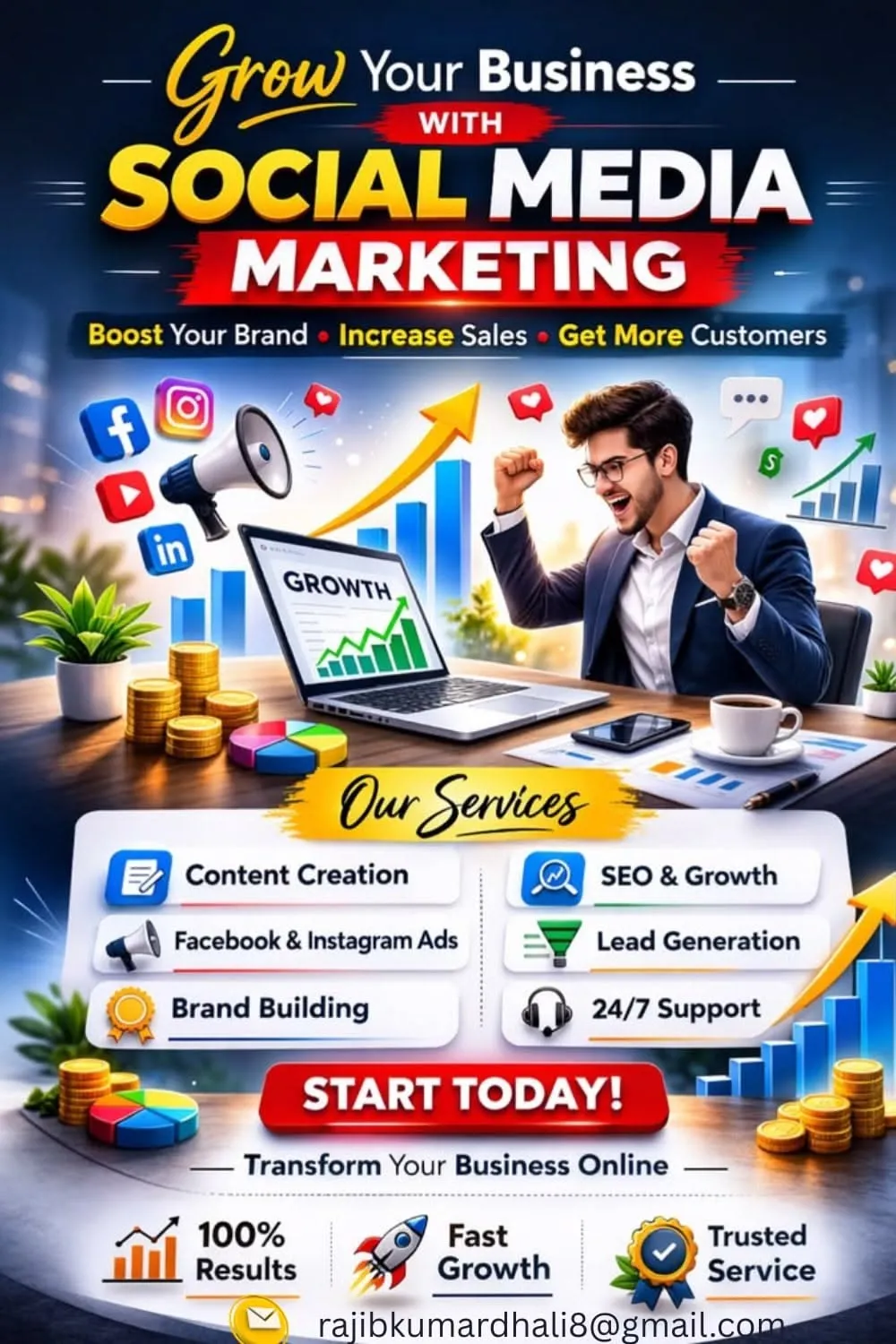
Set Clear and Measurable Marketing Goals
Every successful social media strategy begins with clearly defined objectives. Without measurable goals, it becomes difficult to evaluate campaign performance or determine whether marketing efforts are delivering results. Business goals should align with overall organizational priorities and provide direction for content creation and audience engagement.
Common social media marketing goals include increasing brand awareness, driving website traffic, generating qualified leads, improving customer service, boosting online sales, and building a loyal community. Goals should be specific, measurable, achievable, relevant, and time-bound to ensure continuous progress.
Examples of marketing objectives include:
-
Increase follower growth.
-
Generate more website visitors.
-
Improve engagement rates.
-
Increase product sales.
-
Build stronger customer relationships.
Understand Your Target Audience
Knowing your audience is one of the most important aspects of a successful social media marketing strategy. Businesses should understand who their customers are, what interests them, which platforms they use, and the type of content they prefer. Audience research helps create personalized marketing campaigns that resonate with potential customers.
Demographic information, buying behavior, online activity, customer feedback, and market research all contribute to a better understanding of audience needs. Businesses that create customer-focused content are more likely to attract engagement and conversions.
Important audience research factors include:
-
Age and gender.
-
Geographic location.
-
Interests and hobbies.
-
Purchasing behavior.
-
Preferred social platforms.
-
Online activity patterns.
Choose the Right Social Media Platforms
Not every social media platform is suitable for every business. Each platform serves different audiences and supports different types of content. Selecting the right platforms ensures that marketing efforts reach the intended audience effectively.
Businesses should focus on platforms where their target customers are most active rather than trying to maintain a presence everywhere. A focused approach often produces better engagement and higher-quality results.
Popular social media platforms include:
-
Facebook for community building.
-
Instagram for visual storytelling.
-
LinkedIn for professional networking.
-
X (formerly Twitter) for real-time updates.
-
YouTube for video marketing.
-
Pinterest for lifestyle and product discovery.
Create High-Quality and Valuable Content
Content is the foundation of every social media marketing strategy. High-quality content educates, entertains, informs, or inspires the audience while reflecting the brand’s values and expertise. Instead of focusing only on promotional messages, businesses should provide content that solves problems and adds value to customers.
Content diversity also plays an important role. Combining images, videos, infographics, polls, educational posts, customer stories, and live sessions keeps audiences engaged and encourages interaction.
Effective content types include:
-
Educational articles.
-
Short-form videos.
-
Product demonstrations.
-
Customer testimonials.
-
Behind-the-scenes content.
-
Industry news and insights.
Develop a Consistent Content Calendar
Consistency helps build audience trust and improves brand recognition. A content calendar allows businesses to organize posts in advance, maintain a regular publishing schedule, and ensure content aligns with marketing campaigns and seasonal events.
Planning content ahead of time also reduces last-minute pressure and allows teams to maintain quality standards. A structured calendar ensures balanced content distribution across different themes and objectives.
Benefits of a content calendar include:
-
Consistent posting schedule.
-
Better campaign planning.
-
Improved team collaboration.
-
Higher content quality.
-
Easier performance tracking.
Engage With Your Audience Regularly
Social media is designed for interaction, not just broadcasting information. Businesses that actively engage with their audience build stronger relationships and improve customer satisfaction. Responding to comments, answering questions, acknowledging feedback, and participating in conversations demonstrate that a brand values its customers.
Active engagement also encourages higher visibility because many social media algorithms prioritize content that generates meaningful interactions.
Ways to improve engagement include:
-
Respond promptly to comments.
-
Ask questions in posts.
-
Conduct polls and surveys.
-
Host live sessions.
-
Encourage user-generated content.
Use Paid Advertising Strategically
Organic reach alone may not always achieve business objectives, especially in competitive industries. Paid social media advertising helps businesses reach targeted audiences based on demographics, interests, behaviors, and online activity.
Advertising campaigns should support overall marketing goals rather than replace organic content. Well-planned campaigns can improve brand awareness, generate leads, and increase conversions when combined with valuable organic content.
Advantages of paid advertising include:
-
Precise audience targeting.
-
Faster campaign results.
-
Increased brand exposure.
-
Higher conversion opportunities.
-
Measurable return on investment.
Measure Performance Using Analytics
Tracking performance is essential for understanding whether a social media marketing strategy is delivering expected results. Most social media platforms provide analytics tools that measure audience behavior, engagement, reach, impressions, and conversions.
Regular analysis helps businesses identify successful content, understand customer preferences, and make informed decisions for future campaigns. Continuous optimization based on data improves long-term marketing effectiveness.
Important performance metrics include:
-
Engagement rate.
-
Reach and impressions.
-
Follower growth.
-
Click-through rate.
-
Website traffic.
-
Conversion rate.
Common Mistakes to Avoid in Social Media Marketing
Many businesses fail to achieve their marketing goals because they overlook important strategic principles. Posting inconsistently, ignoring audience feedback, focusing only on promotional content, or neglecting performance analysis can reduce campaign effectiveness.
Avoiding these common mistakes allows businesses to build stronger relationships with customers and maximize their marketing investment.
Common mistakes include:
-
Posting without a strategy.
-
Ignoring audience engagement.
-
Using low-quality visuals.
-
Failing to analyze performance.
-
Being inconsistent with branding.
-
Over-promoting products.
Future Trends in Social Media Marketing
Social media continues to evolve rapidly as platforms introduce new features and user preferences change. Businesses that stay informed about emerging trends can adapt their strategies and remain competitive in the digital marketplace.
Short-form videos, artificial intelligence, personalized content, social commerce, influencer collaborations, and community-driven marketing are expected to remain important areas of focus. Brands that prioritize authenticity, transparency, and customer value are likely to achieve long-term success.
Emerging trends include:
-
AI-assisted content creation.
-
Personalized marketing.
-
Social commerce growth.
-
Short-form video content.
-
Community-based engagement.
-
Creator and influencer partnerships.
Conclusion
A successful social media marketing strategy is built on careful planning, audience understanding, valuable content, consistent engagement, and continuous performance evaluation. Businesses that approach social media strategically can strengthen brand awareness, build lasting customer relationships, and achieve sustainable business growth.
Rather than chasing every trend, organizations should focus on delivering meaningful experiences that solve customer problems and encourage genuine interaction. By combining creativity with data-driven decision-making, businesses can create a social media presence that supports both short-term marketing goals and long-term success in an increasingly competitive digital landscape.